CUSTOM TOOL AND DIE
CUSTOM DIES & TOOLING FOR ROLL FORMING APPLICATIONS
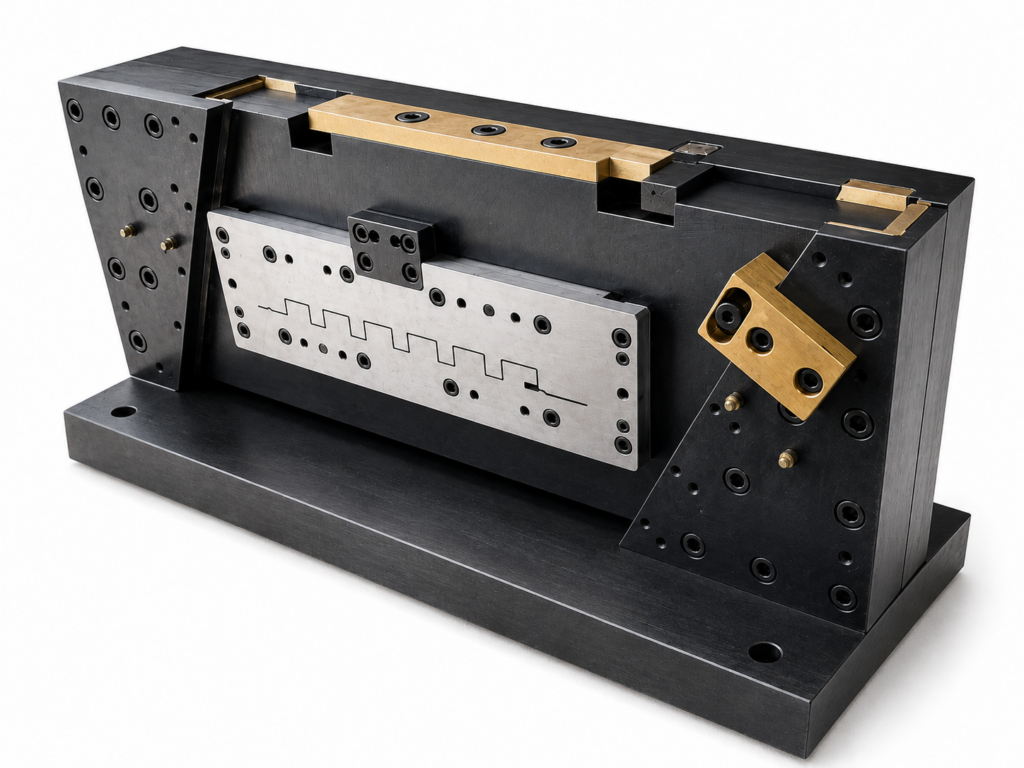
Cassotor designs and manufactures custom dies and tooling for specialized manufacturing applications. Tooling can be developed from customer drawings, reverse engineering of existing components or application requirements, with the design and fabrication process focused on achieving the required fit, function and production performance.
DESIGNED FOR THE APPLICATION
Custom tooling is developed around the material, geometry, production process and equipment involved. Where required, existing tooling can also be modified or adapted to suit changing production requirements.
FROM DESIGN TO TESTING
Cassotor can take tooling from an initial concept or customer drawing through machining, assembly and testing. Projects are approached with the surrounding production equipment in mind so that the finished tooling performs as intended within the larger process.
ROLL TOOLING
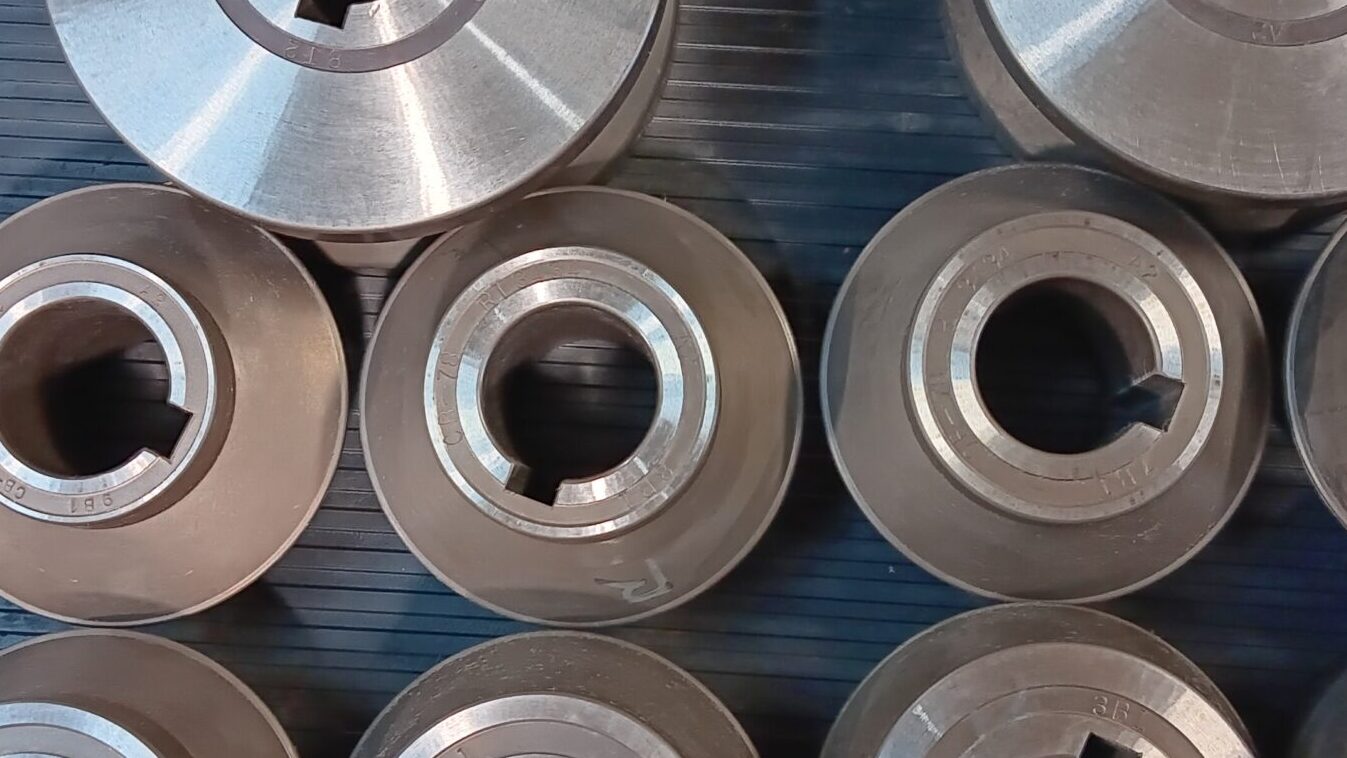
ROLL TOOLING FOR CONTINUOUS FORMING
Roll tooling is central to the forming process. Cassotor coordinates roll tooling as part of complete forming applications, working with established manufacturing partners where specialized roll production is required.
01
ROLL DESIGN
Profile-driven tooling developed around the required geometry, material and forming sequence.
02
TOOLING PRODUCTION
Roll tooling produced through our established manufacturing network and coordinated with the complete application.
03
TESTING & INTEGRATION
Tooling considered alongside entry equipment, forming equipment, cutoff, punching and other production requirements.
ENGINEERING CONSIDERATIONS
Roll forming performance depends on more than the finished profile. Material properties, strip dimensions, forming sequence, tooling geometry, line speed and downstream operations all influence the design of the equipment and tooling. We develop equipment and tooling around the complete production requirement.
01
MATERIAL AND PROFILE
Material grade, thickness, strip width and required profile geometry establish the starting point for equipment and tooling design. Material yield strength, tensile strength and surface condition can also influence forming requirements and tooling selection.
02
FORMING & PROCESS
Roll station arrangement, pass progression, entry guidance, forming loads and line speed are considered as part of the forming process. Where required, straightening, flattening, punching, cutoff and other operations can be incorporated around the forming equipment.
03
PRODUCTION REQUIREMENTS
Finished-part tolerances, cut length, hole patterns, production rate and downstream handling requirements all affect the equipment configuration. Mechanical, hydraulic, pneumatic and electrical requirements can be coordinated around the production system.
TYPICAL PROJECT INPUTS
- Material grade
- Thickness range
- Strip width
- Profile geometry
- Line speed
- Cut length
- Punching requirements
- Finished part tolerances